
Owner’s Description
Shortly after World War II, Gordon K, “Sandy” Douglass was designing one design, planing sailboats suitable for family day sailing and racing in the lower Great Lakes area. After his successful Thistle Class sailboat, he felt a need to design a larger boat that was more stable when sailing open water as well as being fast and comfortable. In the Fall of 1951, Highlander #1 was launched, and it proved to be a fast, stable boat that was easy to sail with room for an entire family. More history can be found at http://www.sailhighlander.org/boat_history.cfm.
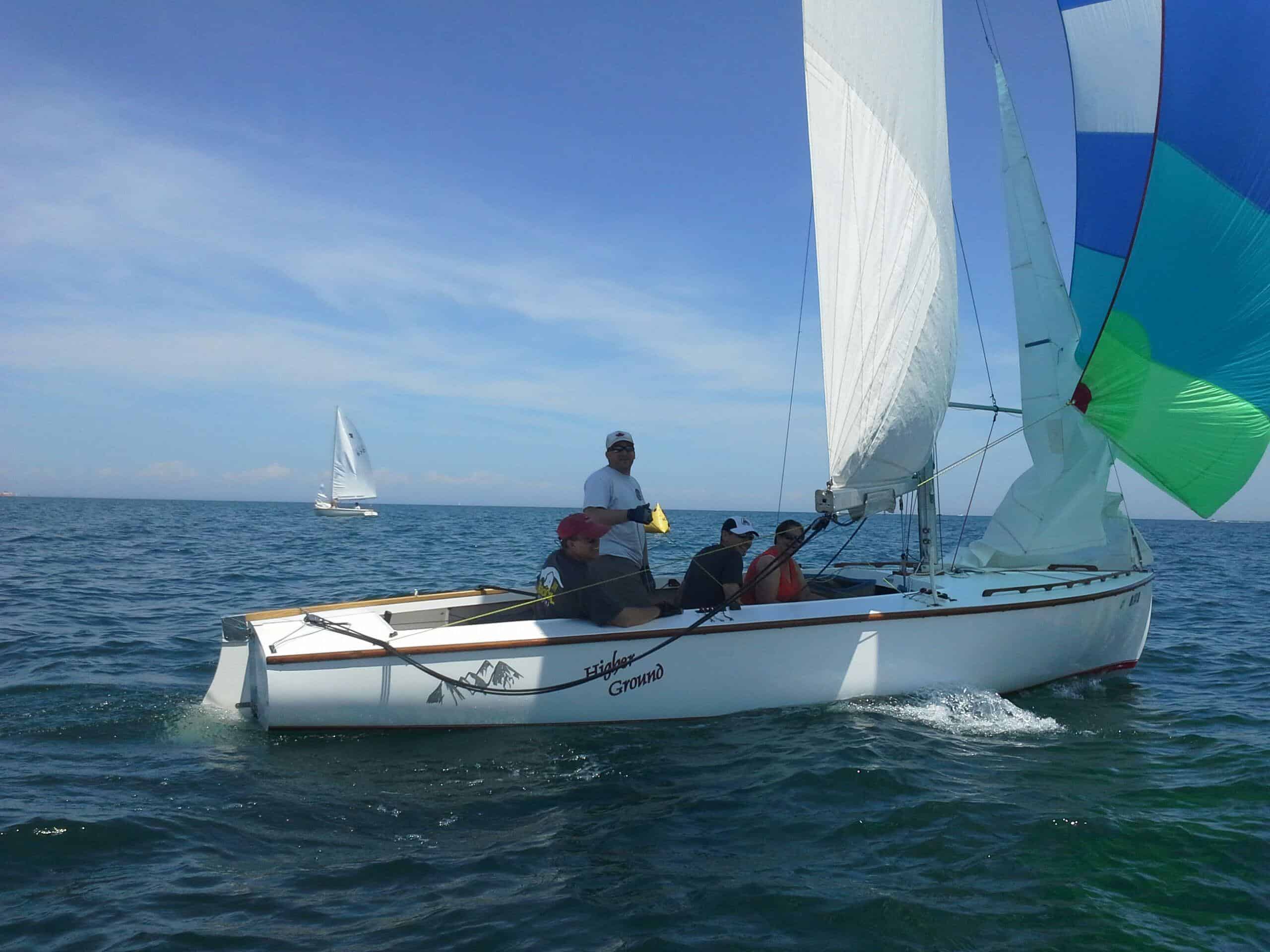
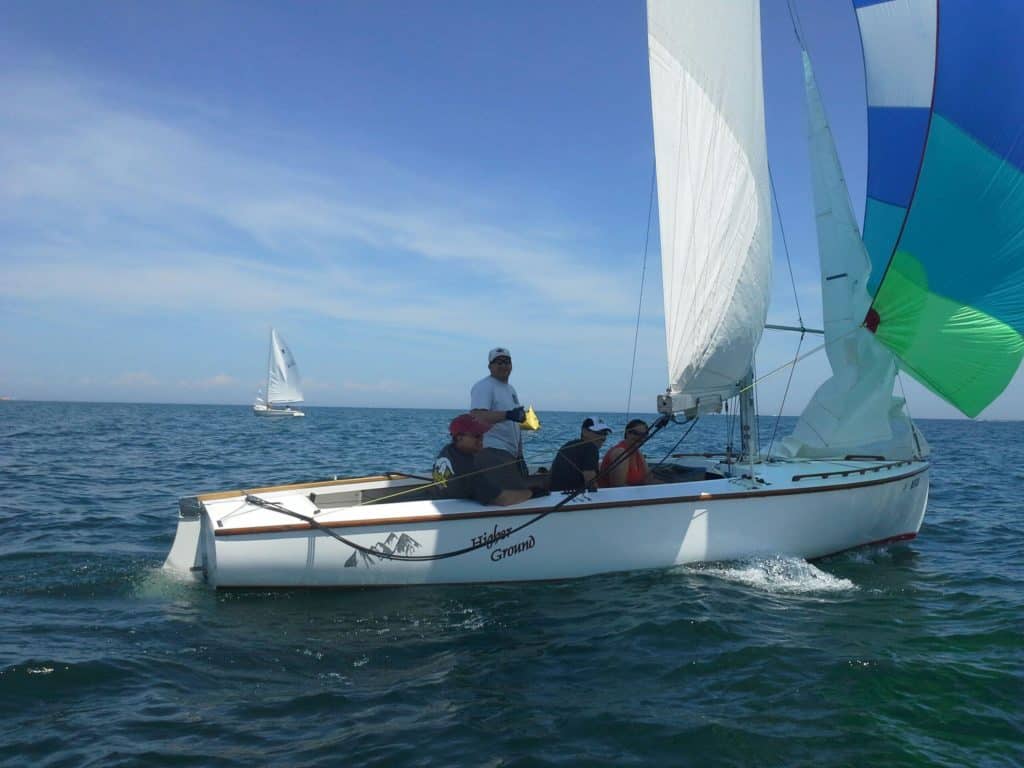
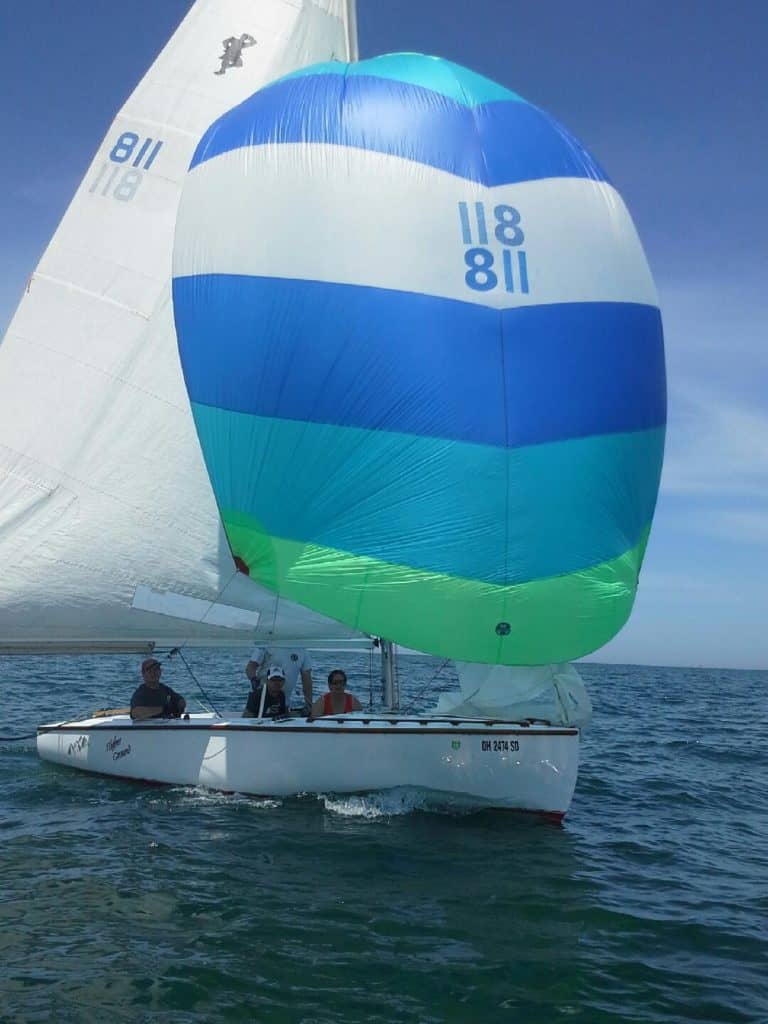
In 1974, Highlander #811 was built by Douglass and McLeod in Grand River, Ohio (on Lake Erie). Although I don’t know much of its history, I know it moved through several owners. Before I purchased it, it had been raced many years with the original rigging layout. I had been racing larger sailboats, but wanted to move to one class racing. I discovered that a good friend of mine owned Highlander 811, and due to his health, he wanted to sell it. I knew Ray McLeod, and talk with him and some of my sailing friends about the boat. Then I was excited to find that that Highlander Fleet 14 in Cleveland, Ohio is one of the most active Highlander fleets in the country. I purchased the boat in 2006, and decided to sail with Highlander Fleet 14 out of Whiskey Island.
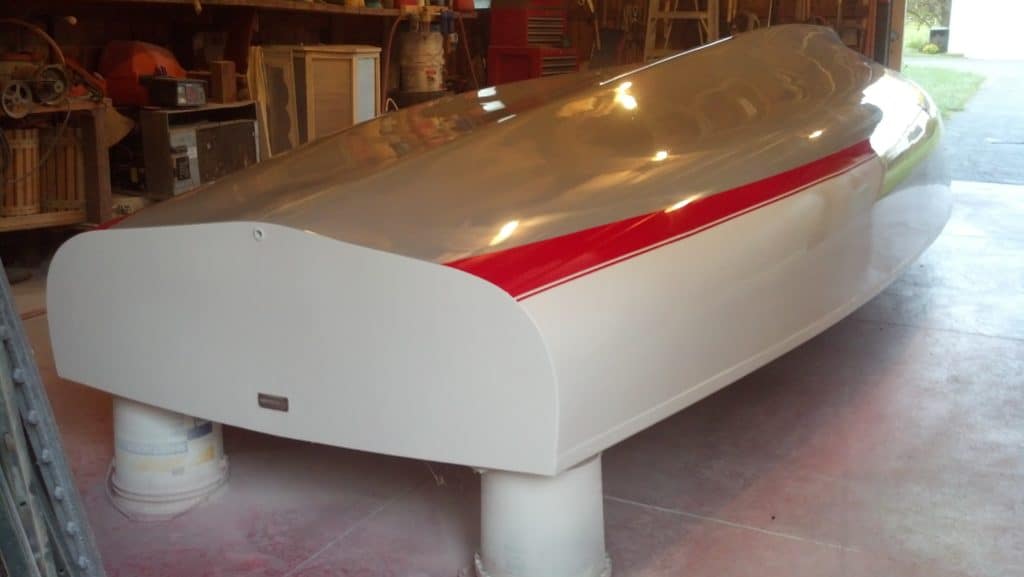
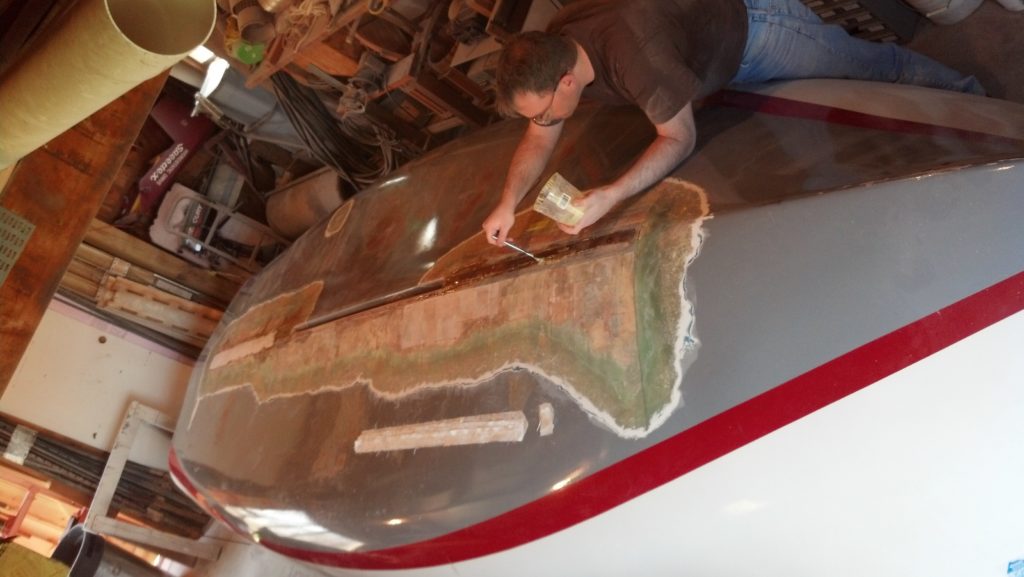
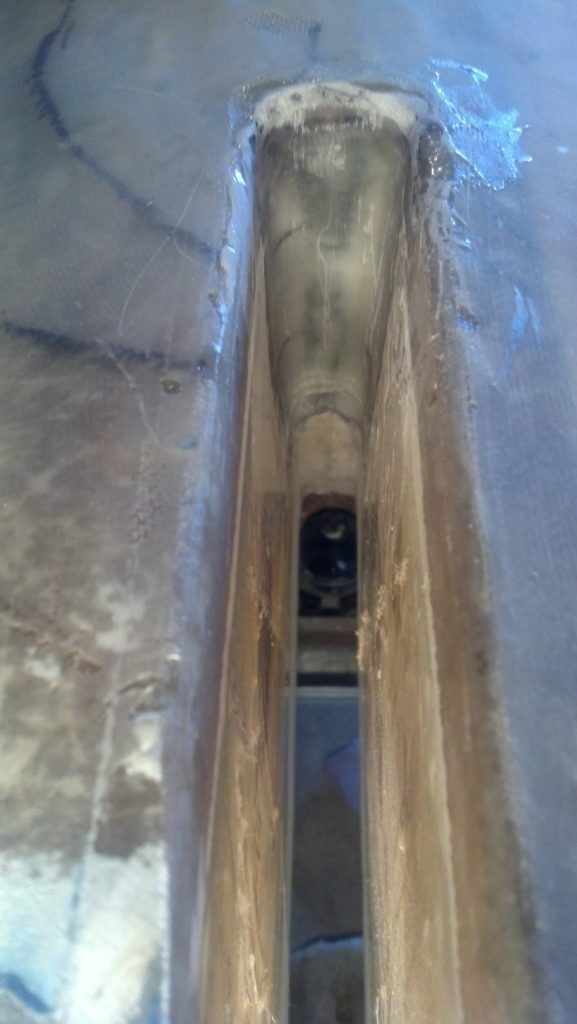
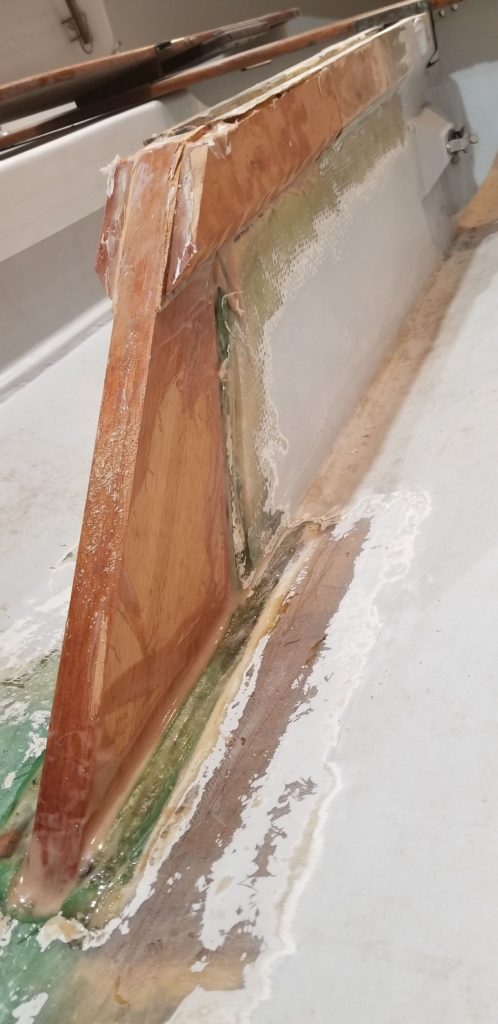
I upgraded the rigging lines to “new standards” that had been introduced in the Highlander class over the years. After several seasons of racing, during one light-air August race, with very little wave action, we noticed that Higher Ground was “taking on water”. After hanging the boat from a lift, we noticed water dripping from the hull, and knew we had a hull crack. In 2013, we flipped the boat and started to open the hull where the water was coming from. After opening the outer layer of fiberglass, we found rotten balsa core, and two large cracks in the front centerboard trunk. Rather than scrapping the hull, a friend of mine and I decided to restore it.
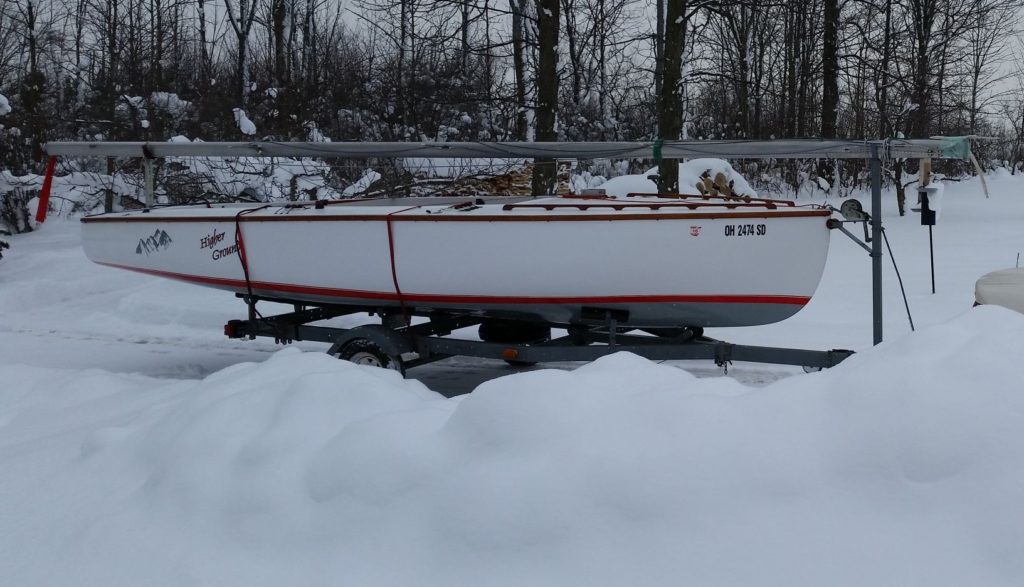
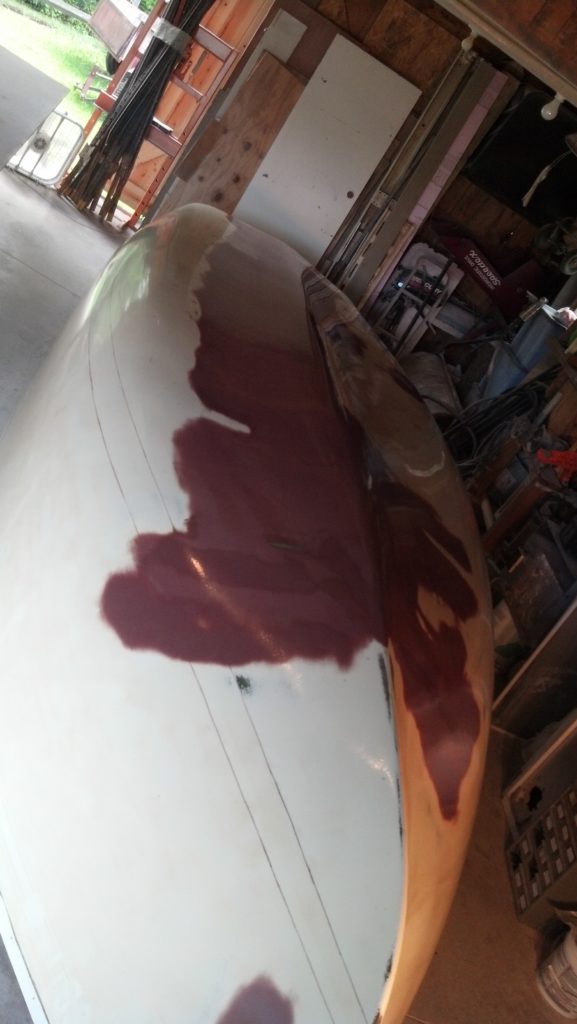
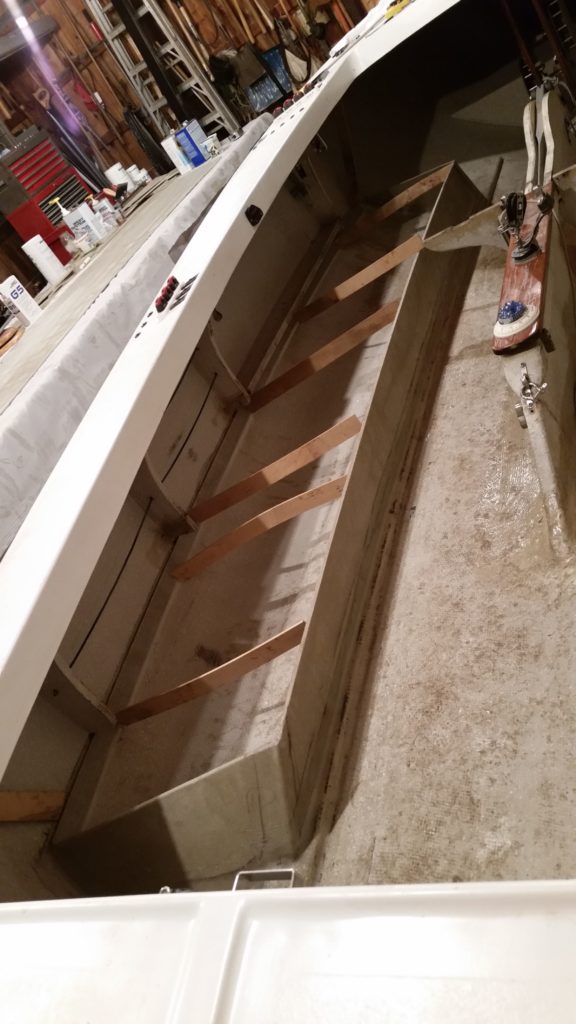
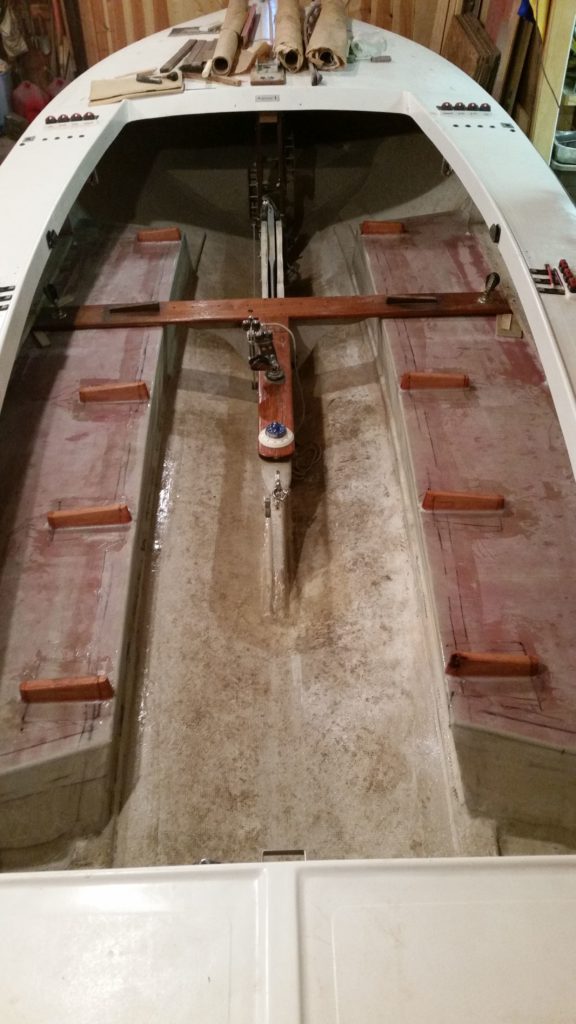
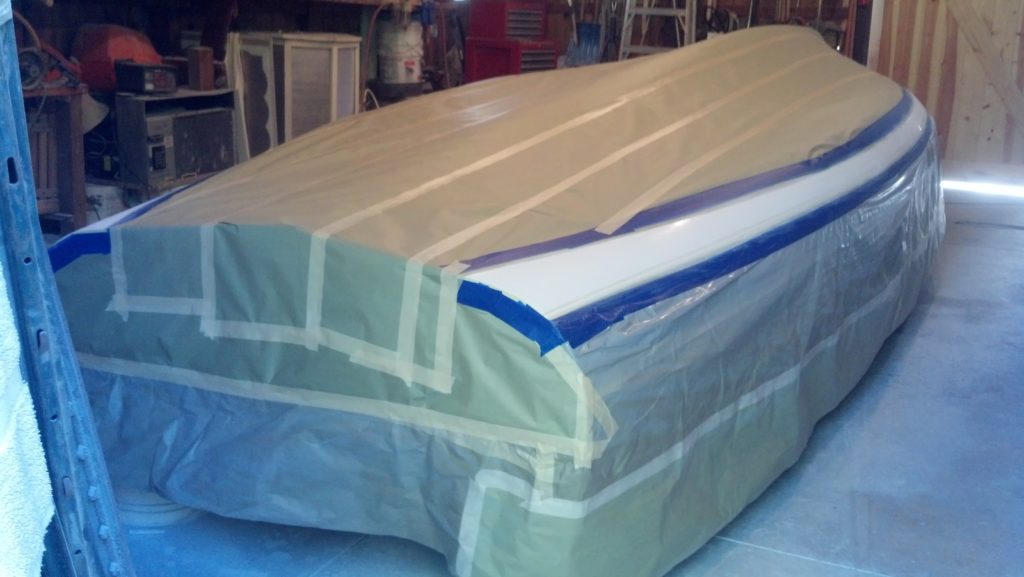
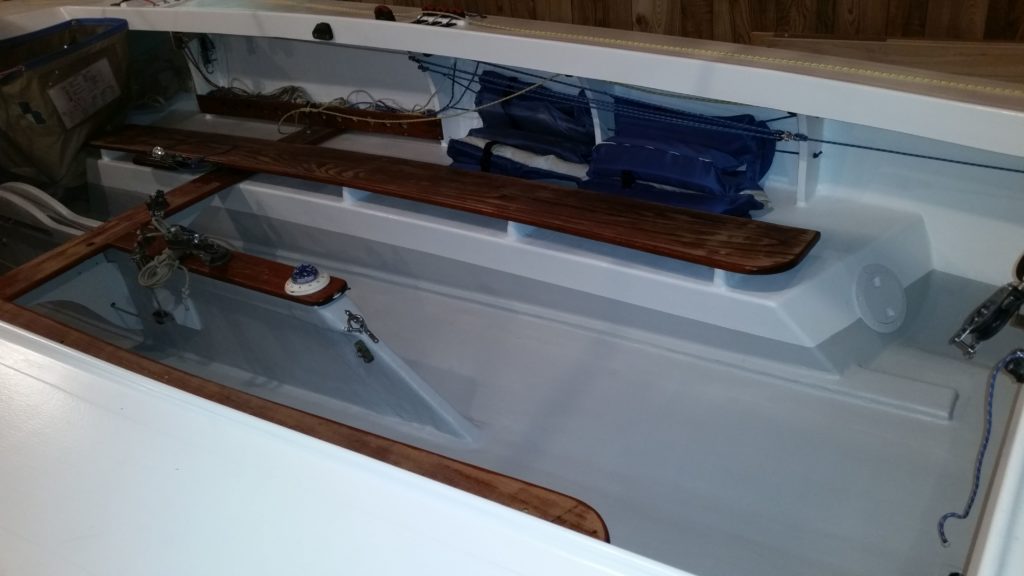
After we opened all damaged areas of the hull, we let the core air dry, replaced the rotten core, and epoxied 3 layers of fiberglass to the outer hull. We repaired the centerboard trunk with glass and epoxy, using a custom mold. We then reshaping the hull with epoxy filler compound. We finished the hull with Awlgrip topside paint, and installed our graphics.
Although some Highlanders at the time were built with flotation seat tanks, Highlander 811 was not. (This was an option in the early days of the Highlander.) I decided that additional flotation was an important safety feature. Justin and I designed the new flotation tanks, based on the newer Custom Flex design, but restored the seats to the original position. We also decided to rebuild the centerboard trunk, based on the original style, after finding rot in the centerboard wood.
Now that Highlander 811 has been restored, we are actively racing it in the Highlander racing program. Although it is heavier than before, it is once again a solid and safe boat to enjoy!
Photos
Map
No Records Found
Sorry, no records were found. Please adjust your search criteria and try again.
Google Map Not Loaded
Sorry, unable to load Google Maps API.
Comments
Post a Comment Cancel reply
You must be logged in to post a comment.
2 thoughts on “20' Douglass & McLeod Highlander Sloop (1974) - HIGHER GROUND”
Owner’s Description
Photos
Map
Comments
Post a Comment
You must be logged in to post a comment.
2 thoughts on “20' Douglass & McLeod Highlander Sloop (1974) - HIGHER GROUND”
A neat boat to begin with. All old boats need help at some point, and you have done a very nice job with Higher Ground. That was a major under-taking, well executed.
Thank you, Bradley!