Owner’s Description
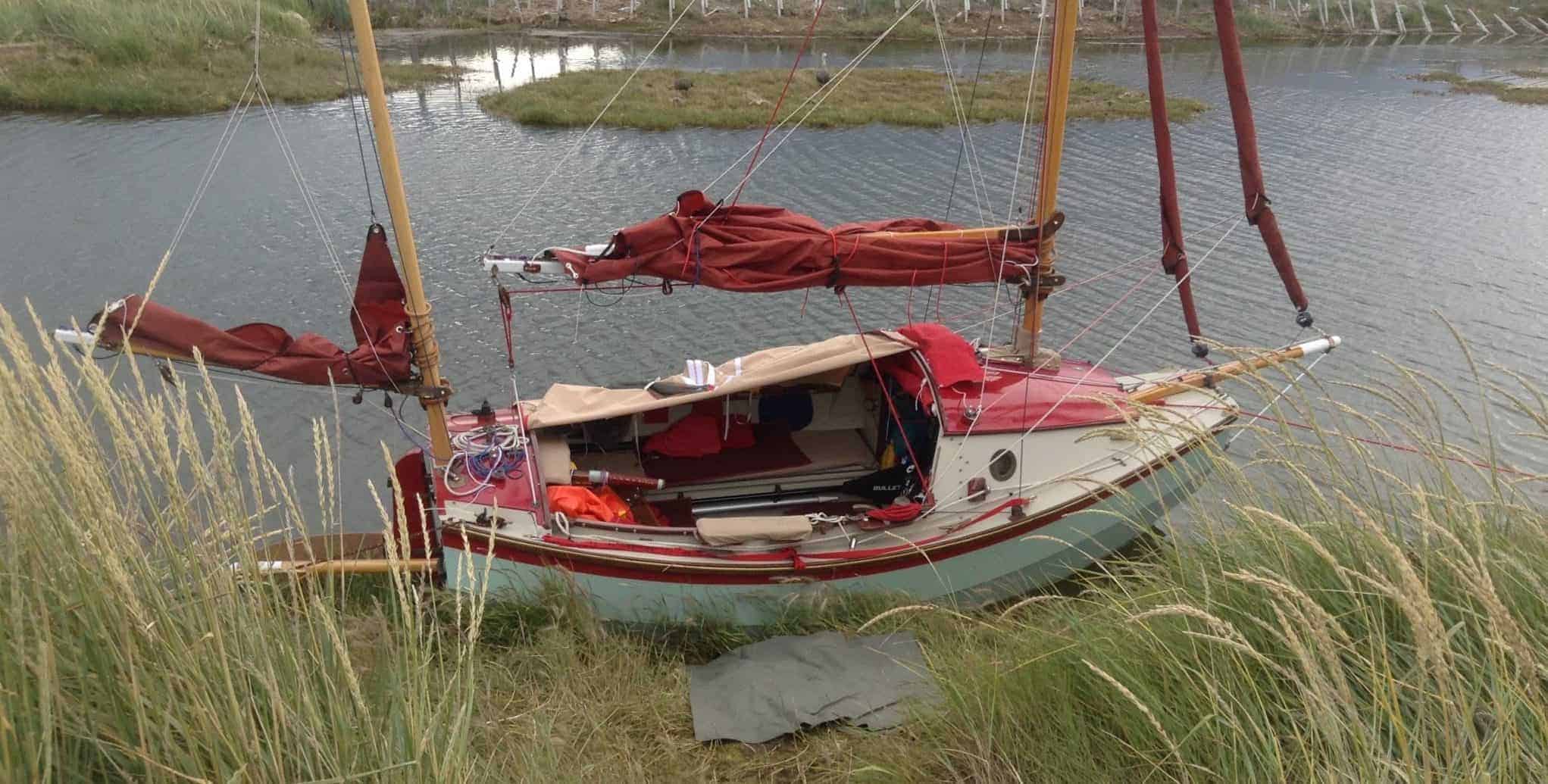
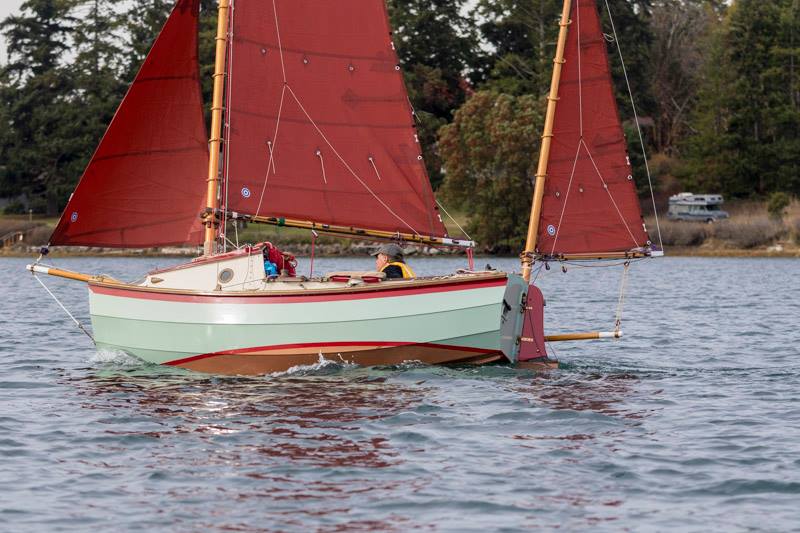
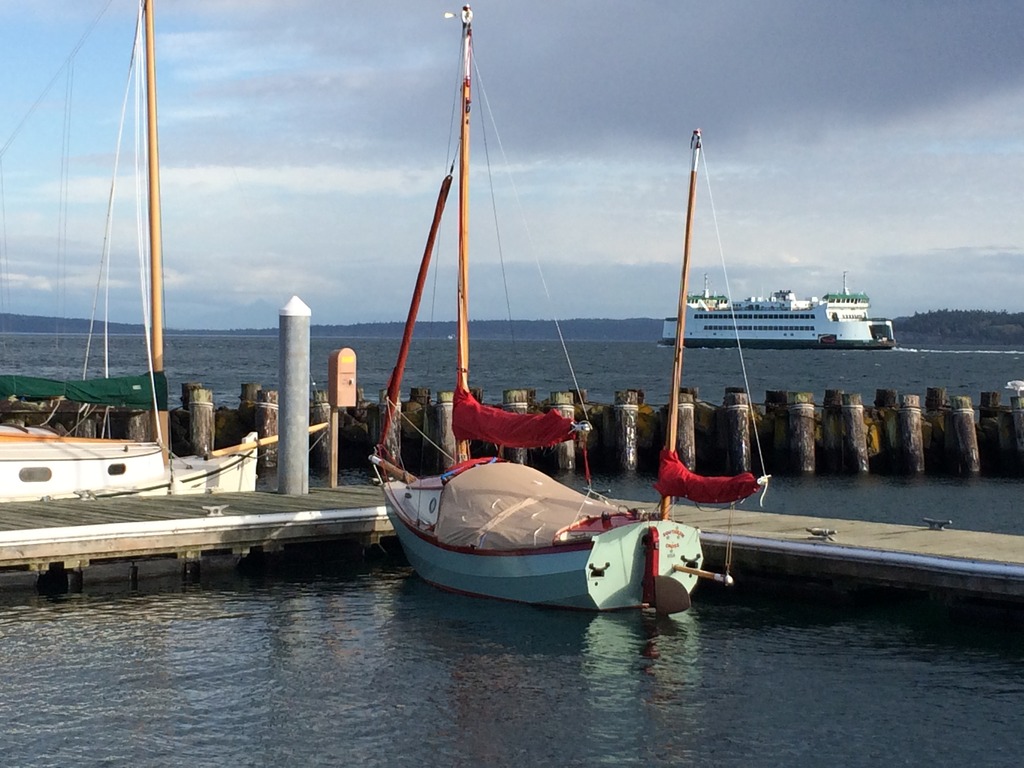
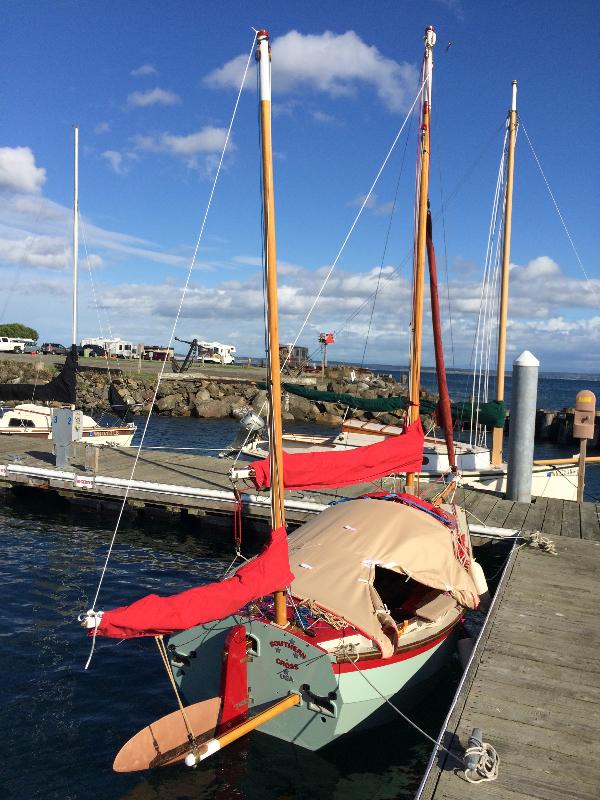
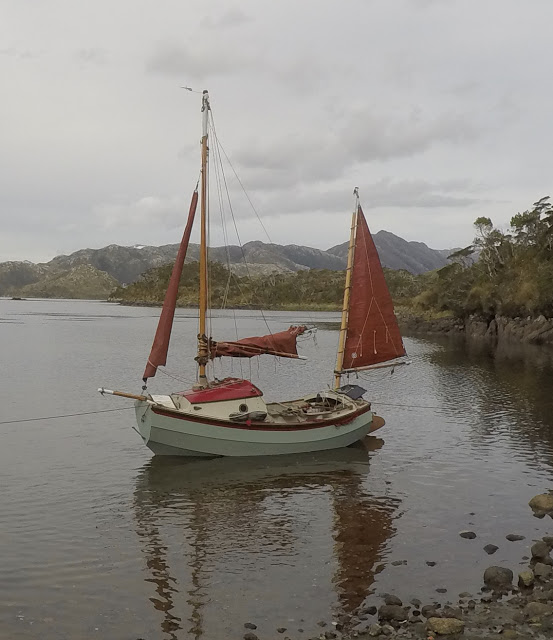
Southern Cross is an engineless 11′ 11″ sail and oar boat I purpose built for a voyage down the Strait of Magellan, then south to the Beagle Channel. From the western Beagle Channel I explored some of the remote southwest islands of Tierra del Fuego out to the Southern Ocean. Cape Horn is located at the southern most tip of the Southwest islands. However, I had no intent to round the Horn during this voyage as I had previously done so twice aboard a wood canvas sailing canoe.
To Chileans rounding Cape Froward in the Strait of Magellan is far more dangerous than Cape Horn. Having now been around both I understand this belief. Sailing around or past Cape Froward was one of the primary reasons I chose to begin this voyage in the Strait of Magellan. As it turned out I did cape Froward twice. Once alone and once with Pato and John Cano aboard their newly acquired Centolla boat the El DeCano, one serious adventure in its own right.
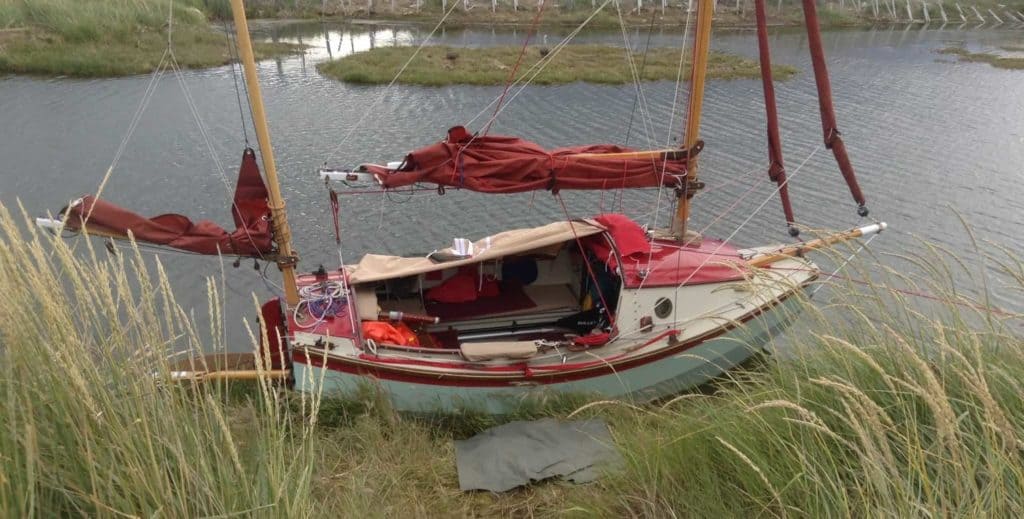
The boat featured here is a highly modified John Welsford SCAMP. The voyage I made aboard this boat was my second through Tierra del Fuego, this time starting in Patagonia.
The first voyage was 91 days aboard a fifteen foot sailing canoe. I double rounded Cape Horn and explored west up the Beagle Channel in the process. I learned much and applied what I had learned to the construction of this boat.
Changes from the stock design:
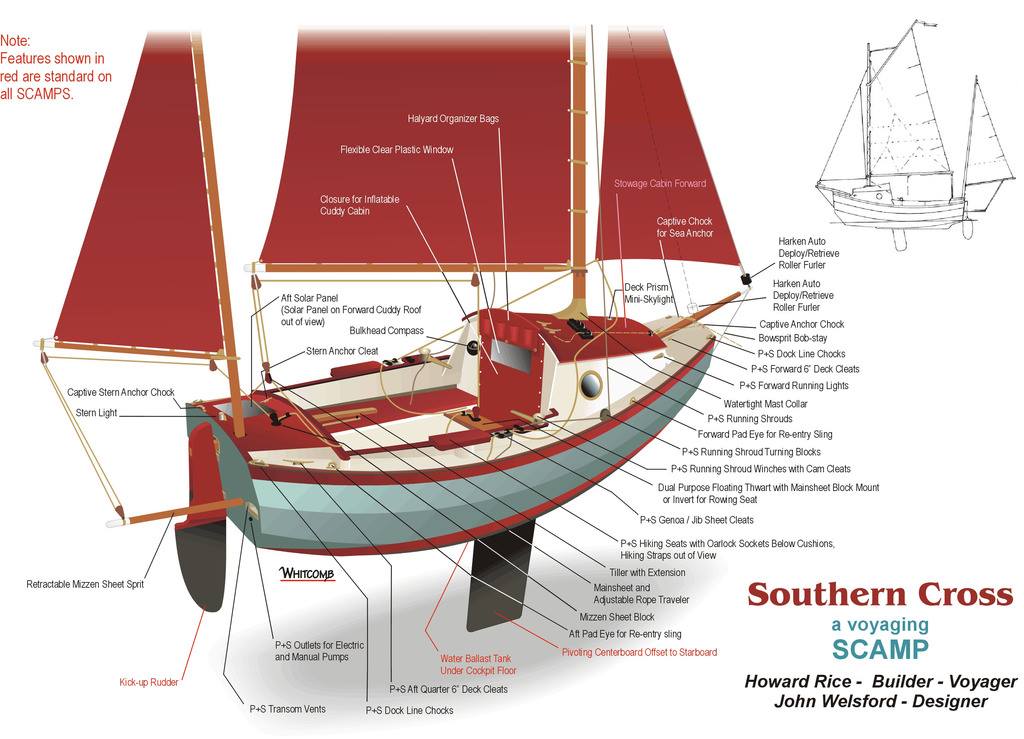
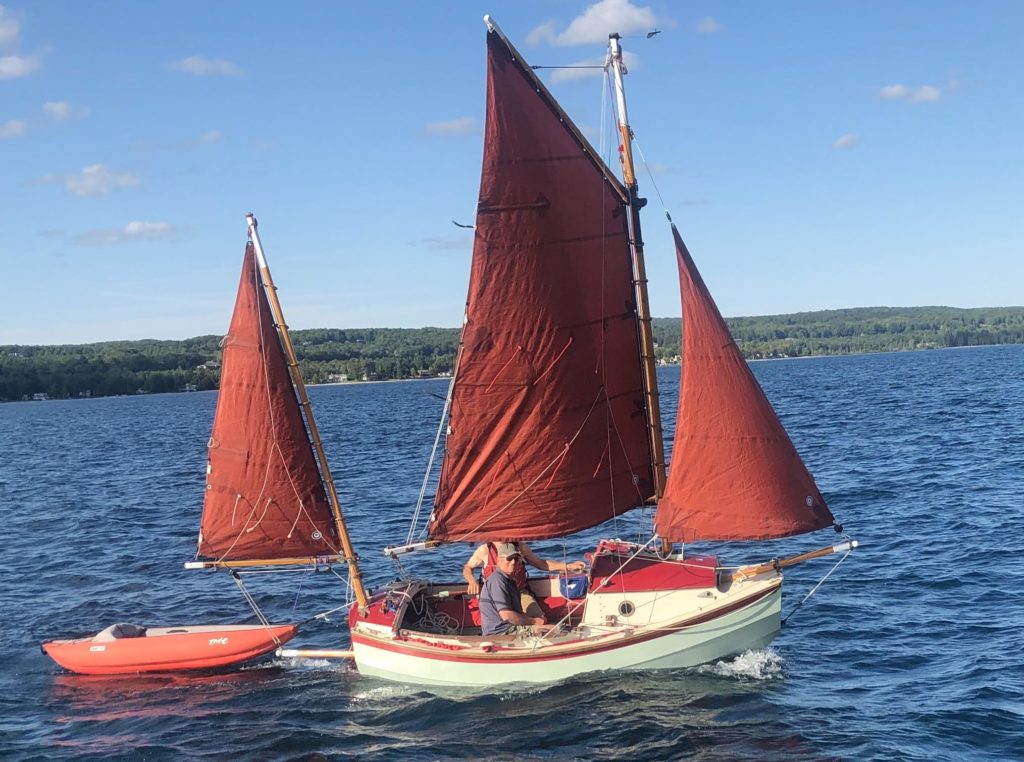
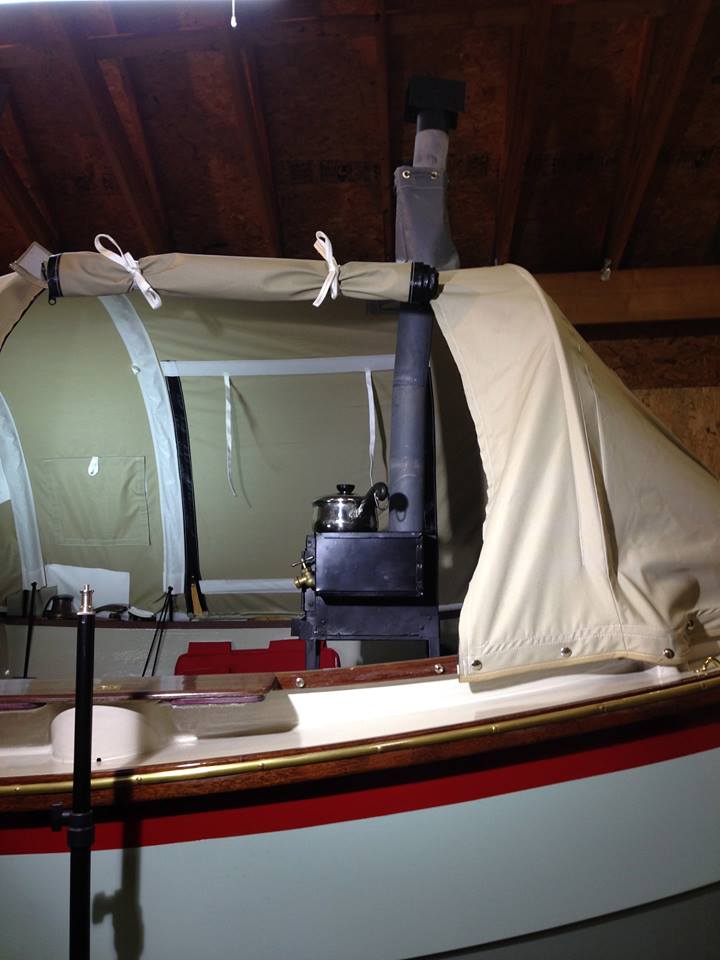
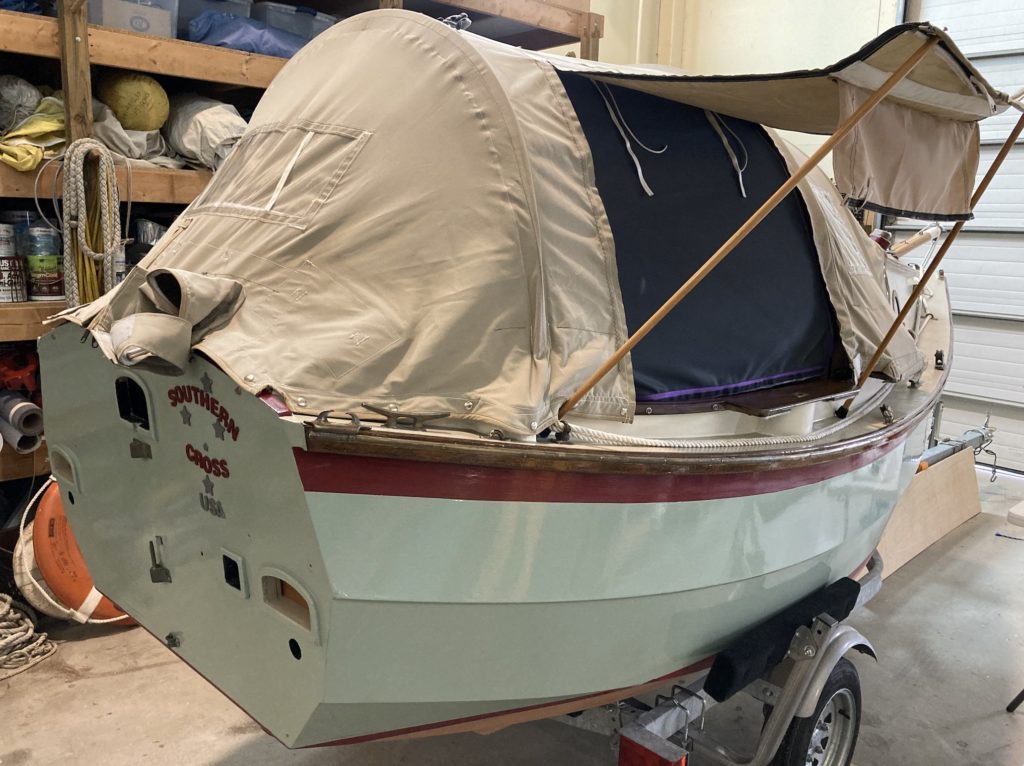
I viewed the stock boat as a suitable platform to develop from and made many modifications, which is in no manner a condemnation of the design but a carefully thought through set of linked changes that made the boat better suited for the planned voyage.I changed to a gaff rigged yawl from the balanced lug rig as this allowed me to hand smaller sails and offered numerous sail size combinations as well as the ability to heave to. One of the issues I knew I would face was hoisting and striking a single lug sail in extreme gusting wind conditions. This presented a very real danger of the yard backing (out of parallel with the boom) when hoisting or striking, which could cause an instant capsize. I also needed the ability to reef while sailing, meaning underway without stopping. The other changes are actually too numerous to list here but suffice it to say they all made sense and served me well in extreme conditions. The diagram drawing of the boat depicts many of the modifications.
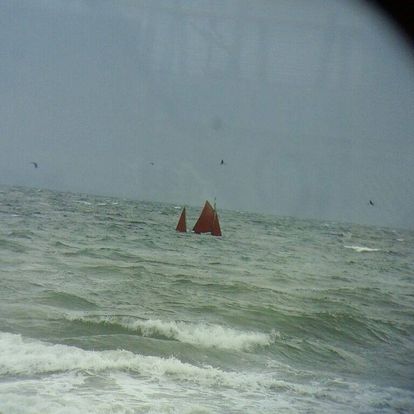
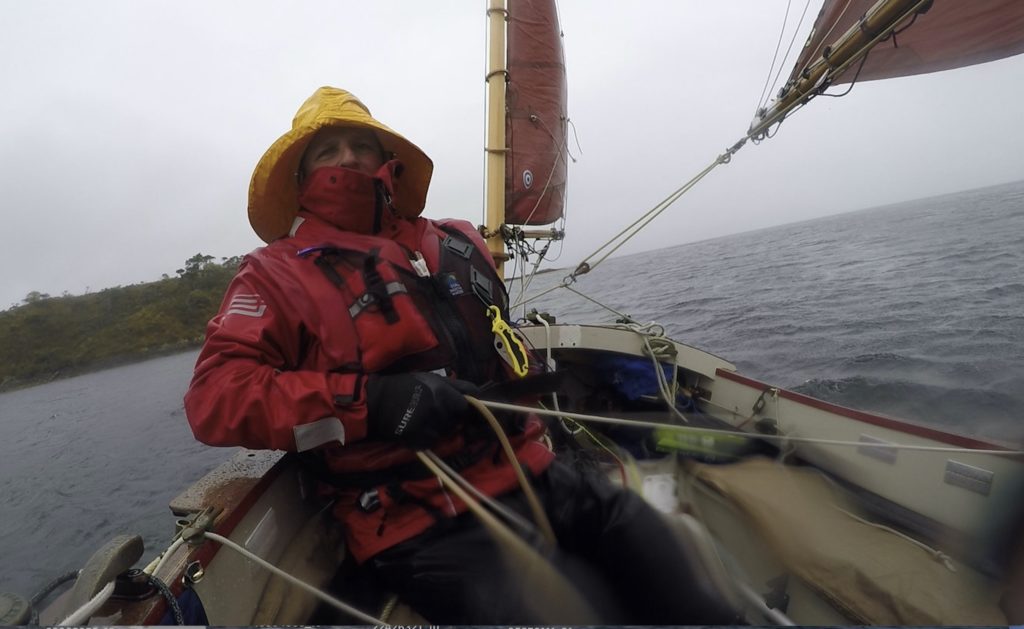
I lived and voyaged aboard the boat for 62 days with about three hours off to filter glacial drinking water. I sailed in conditions from calm to heavy air and experienced many amazing moments, easy days and difficult days.
I believe size does not always equate with safe. Small boats can do amazing things if the boat is conceived of thoughtfully and if the sailor goes forth with open eyes knowing small may be a different kind of comfortable.
I prefer small boats based on what I refer to as the “Thirds Equation.” I see the equation as my 185 pound body weight, the hull weight and the relatively small size/power of the sail rig. The closer I can get to these being in some sort of equity or balance the more kinetic control I have as in my body weight being used as live ballast leverage coupled with proper sailing technique (trimming and easing sail). I often stand when sailing in small boats and large alike as I like the leverage advantage. I also set up most small boats for hiked out sailing even a little cruiser like this one, which features padded hiking seats and a hiking strap.
The voyage ended sooner than I had hoped due to a dust up with cyclones but hey what a time I had, memories I wouldn’t trade.
Photos
Video
Map
No Records Found
Sorry, no records were found. Please adjust your search criteria and try again.
Google Map Not Loaded
Sorry, unable to load Google Maps API.
Comments
Post a Comment Cancel reply
You must be logged in to post a comment.
4 thoughts on “12' Welsford Scamp (2016) - SOUTHERN CROSS”
Owner’s Description
Photos
Video
Map
Comments
Post a Comment
You must be logged in to post a comment.
4 thoughts on “12' Welsford Scamp (2016) - SOUTHERN CROSS”
John has told me all about you and the boat. Great to see some photos of you both. Best of luck with your next adventure. I really envy your bold spirit.
Annie
PS If you want instant reefing on any point of sailing, I’d suggest junk rig! (But of course, I would!)
I am totally dumbstruck with what you’ve accomplished, Howard!
I’m just shaking my head in total amazement.
Great adaptation of the Scamp, so well conceived and brought to fruition.
Kudos on an incredible voyage!
Thanks so much for being a part of the show.
I truly had no idea what you did was even possible…
Thanks
It was an interesting experience in patience and just not minding the daily discomfort for the 62 days I lived aboard. Her next voyage to another unlikely place is in the final planning stages.
I appreciate your comment!
A truly incredible and inspirational adventure!