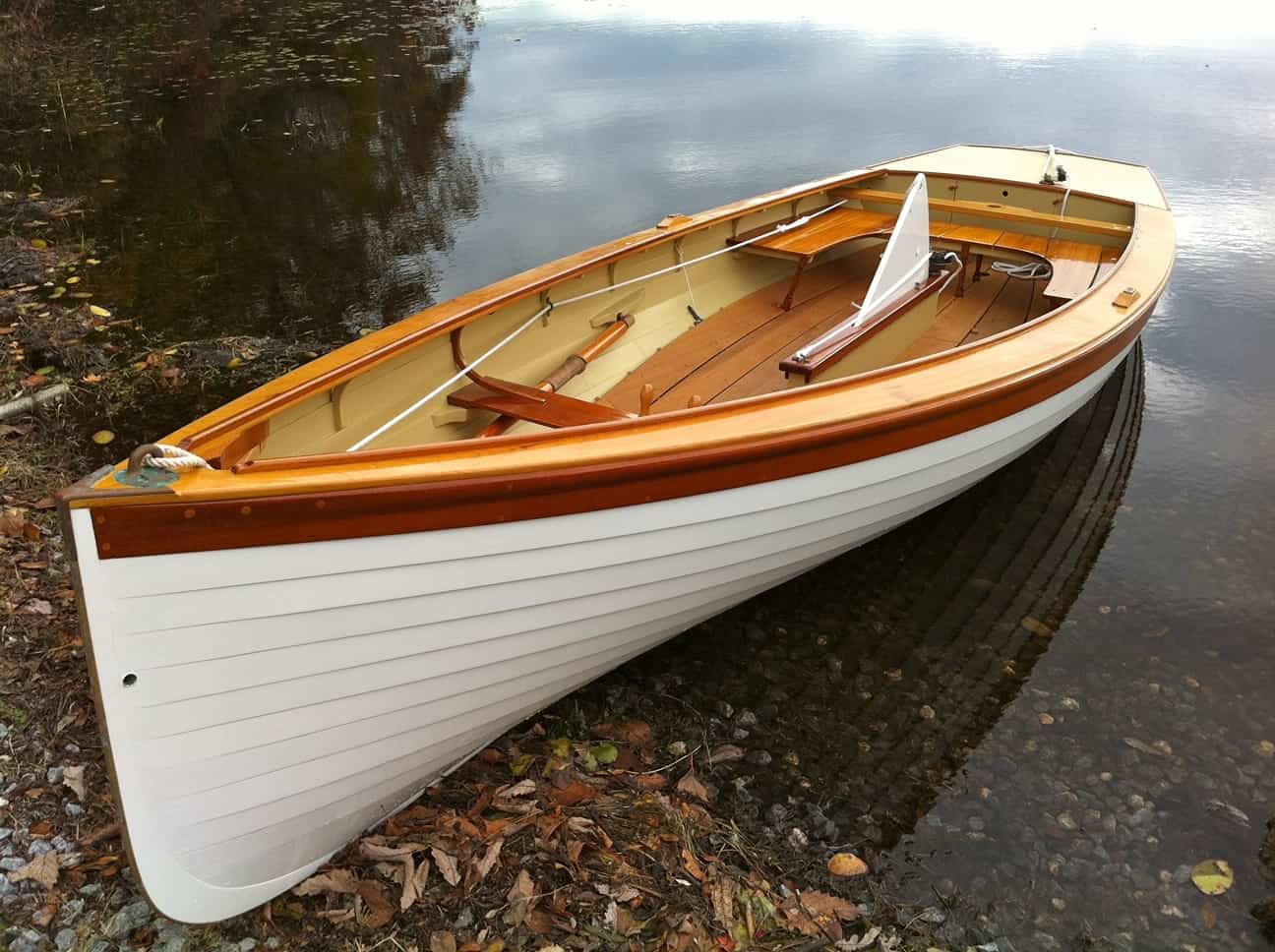
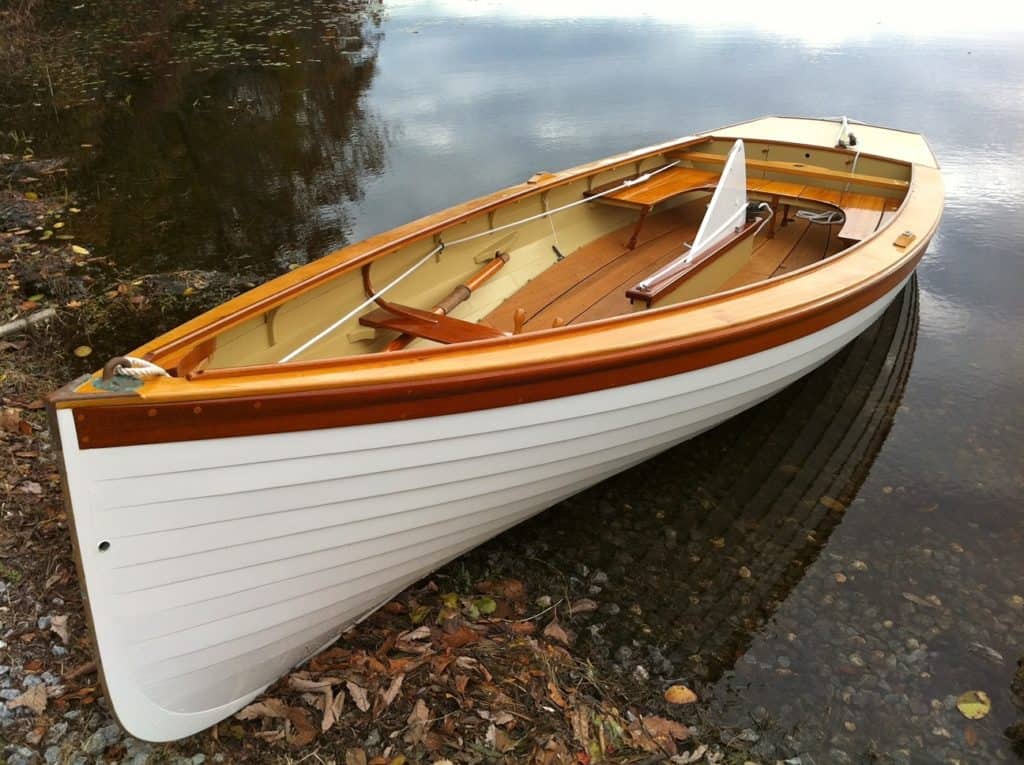
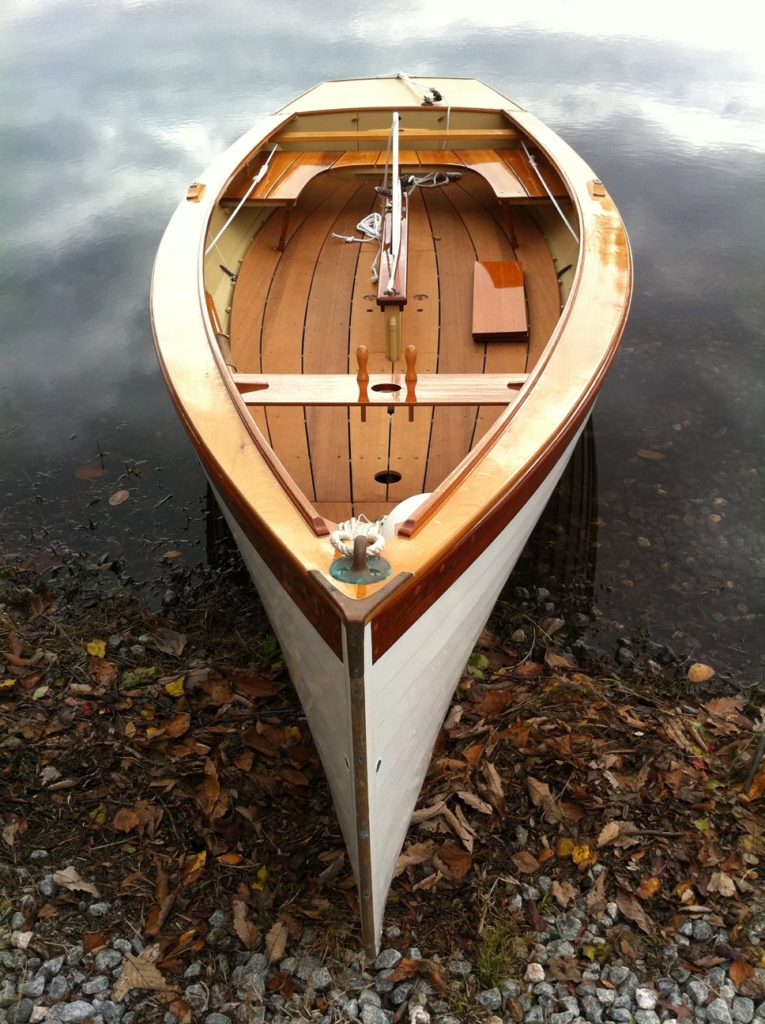
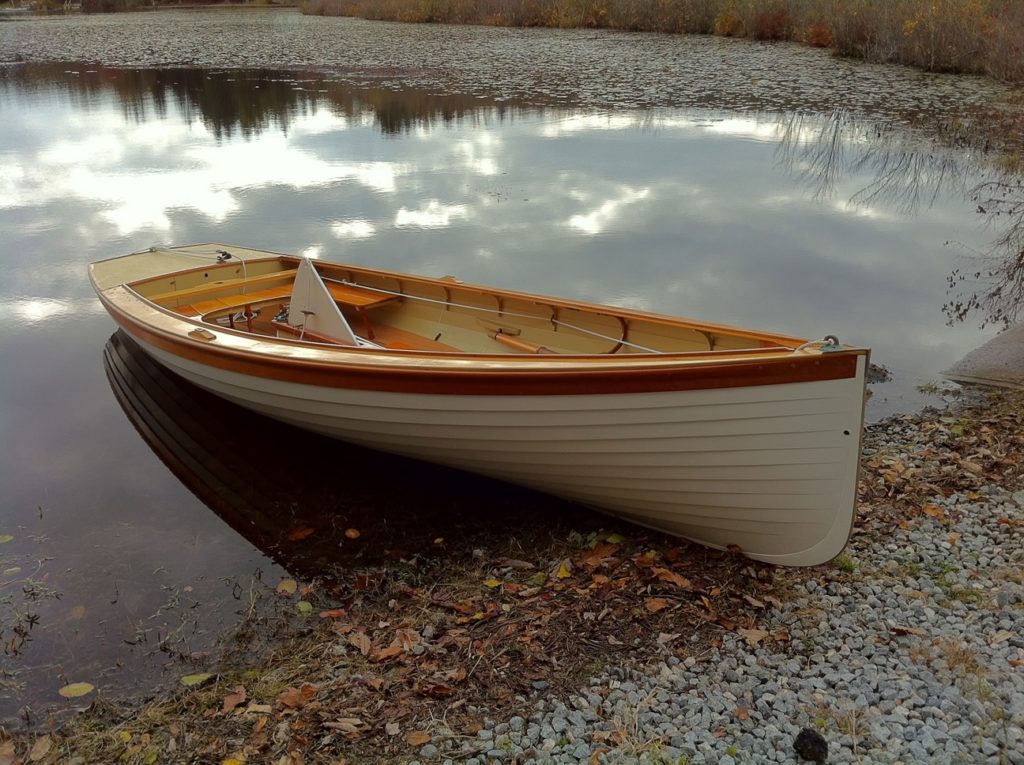
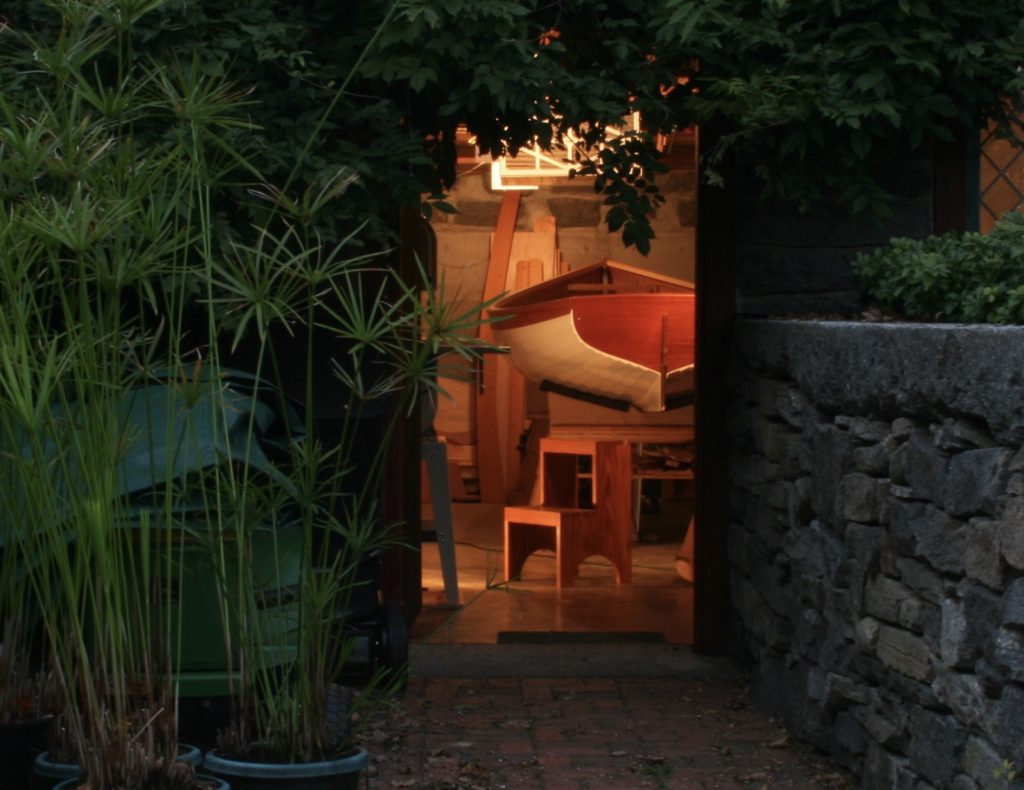
While I was looking for a boat to build in 2005, my goal was to have a hull large enough to sail two adults, easy to set-up (no wire rigging to tune), light-weight and with a traditional rig. Coincidentally, Doug Hylan and Maynard Bray published the COQUINA for glued lapstrake build at the same time. One of the boats N. G. Herreshoff had designed for his own use, and one that he obviously loved—how much better can it get?
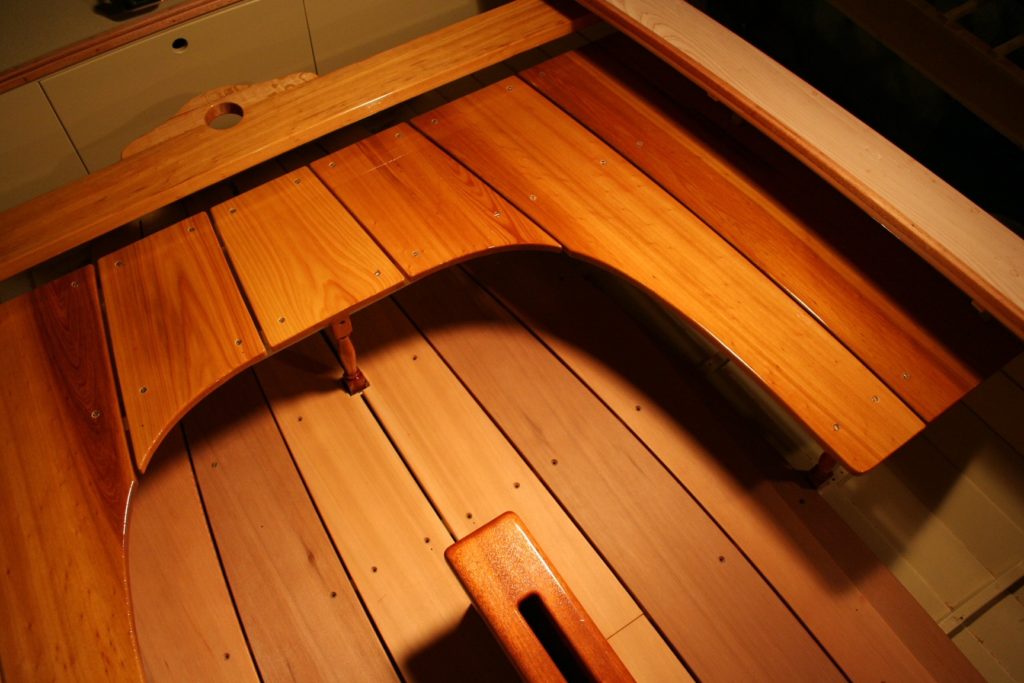
I built over four winters, and enjoyed every moment. 15 minutes for launching and hauling at the ramp, easy enough even to go for a brief sail after work. The COQUINA is beautifully balanced, self steering, if needed, and a joy to sail. After ten summers, I’m as happy with the boat as on my first sail.
Photos
Video
Enjoy this full video from Off Center Harbor featuring Coquina...
A Good Boat Up Close, Coquina, Part 1 - Rigging & Getting Under Way
Map
No Records Found
Sorry, no records were found. Please adjust your search criteria and try again.
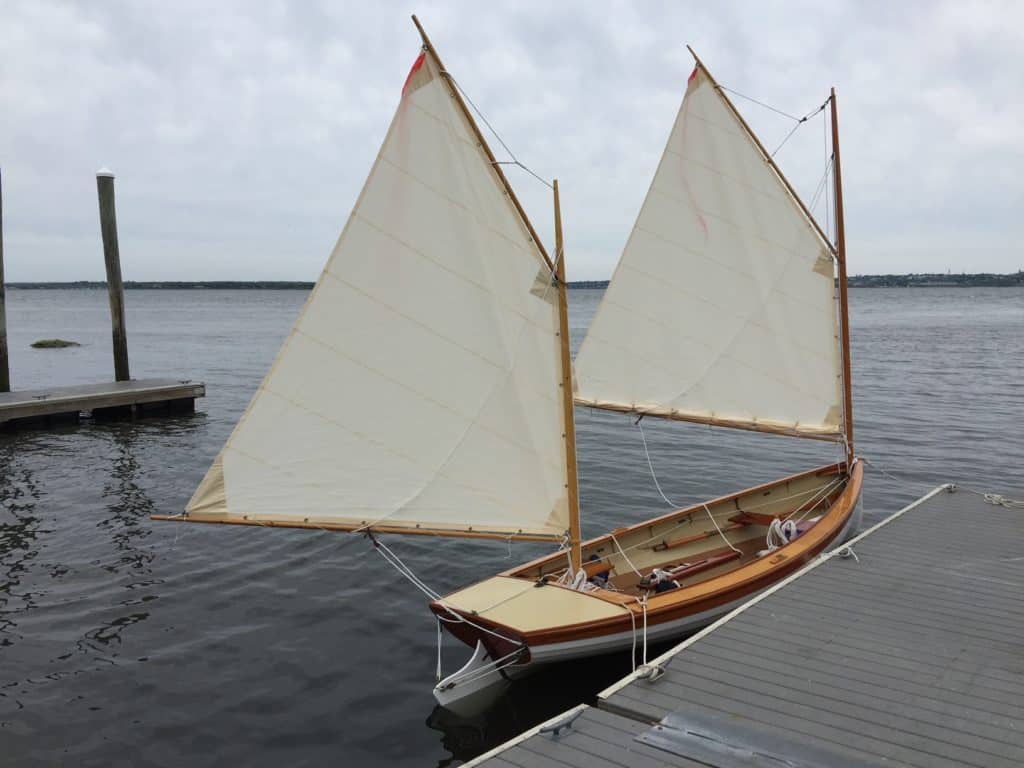
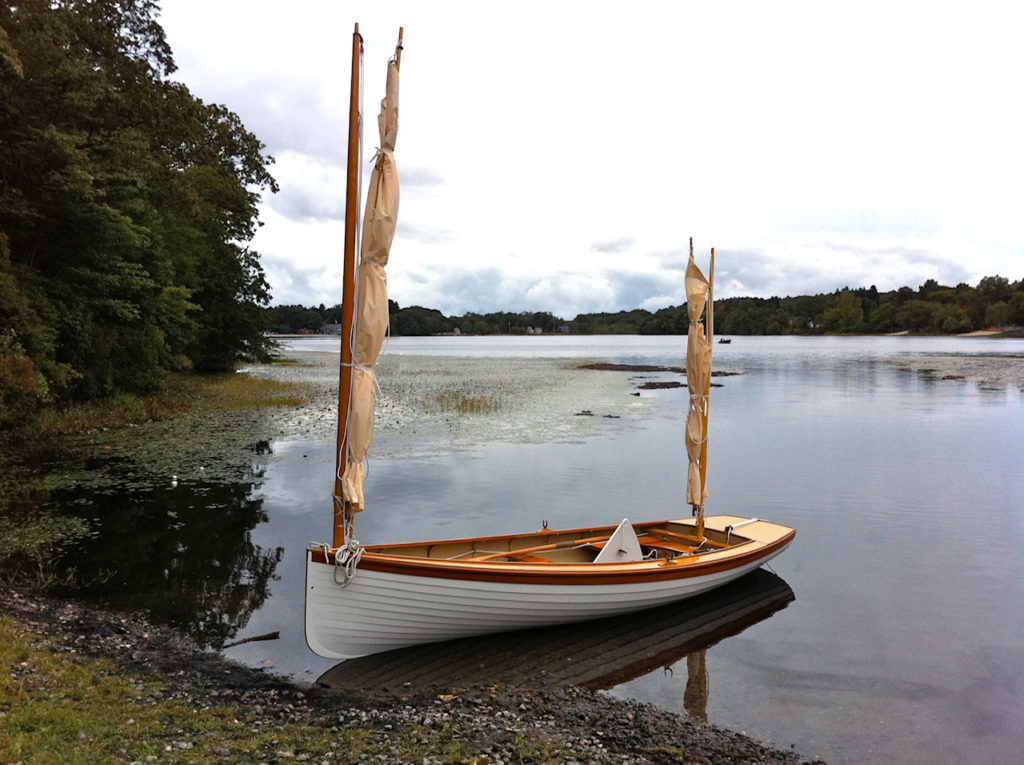
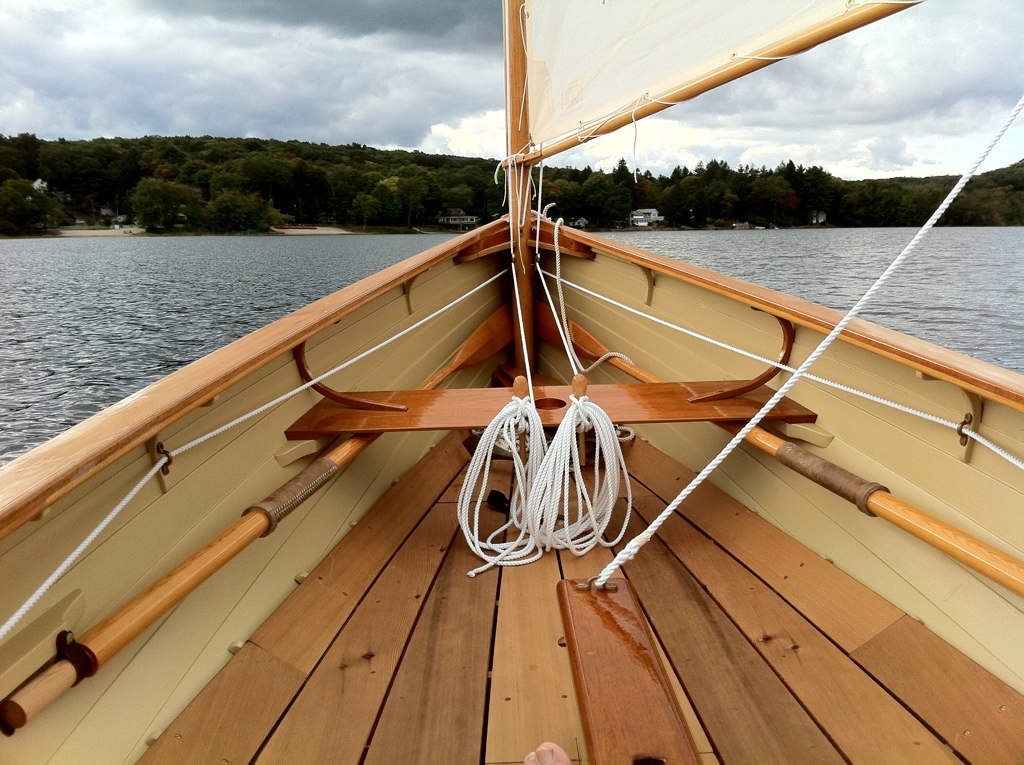
What a lovely build. Very nice. If you used forth and back lacing on the mast instead of round and round the sails will come down easier. The idea is the lacing goes from cringle to cringle across the forward face of the mast without going around the back.
AM, thank you. I’m lacing the sail in a continuous circular direction, through each cringle, around the forward face of the mast, through the next cringle and so on, never changing direction nor using extra turns “behind” the mast. It works beautifully, the sails set well and they “come down” easily. I bend the sails on once for the season and make sure they set well, and after that there has so far never been a reason to alter or tweak that arrangement. I like trimming the sails with halyard tension, peaking the gaffs, and letting the sheets in or out, plus balancing the hull with letting the mizzen out, etc. The boat has infinite ways to play with that and it can be great fun.
On the other hand, if you wouldn’t do any of that and just sail, she would be going almost as fast— very forgiving and ultimately self-steering. Nothing beats what’s has been designed by a genius. Thank you, Nat!

What a lovely build. Very nice. If you used forth and back lacing on the mast instead of round and round the sails will come down easier. The idea is the lacing goes from cringle to cringle across the forward face of the mast without going around the back.
AM, thank you. I’m lacing the sail in a continuous circular direction, through each cringle, around the forward face of the mast, through the next cringle and so on, never changing direction nor using extra turns “behind” the mast. It works beautifully, the sails set well and they “come down” easily. I bend the sails on once for the season and make sure they set well, and after that there has so far never been a reason to alter or tweak that arrangement. I like trimming the sails with halyard tension, peaking the gaffs, and letting the sheets in or out, plus balancing the hull with letting the mizzen out, etc. The boat has infinite ways to play with that and it can be great fun.
On the other hand, if you wouldn’t do any of that and just sail, she would be going almost as fast— very forgiving and ultimately self-steering. Nothing beats what’s has been designed by a genius. Thank you, Nat!
Beautiful ship, I must learn about glued lapstrake construction. Trailer sailing is so practical and a convenient vehicle to explore nature.